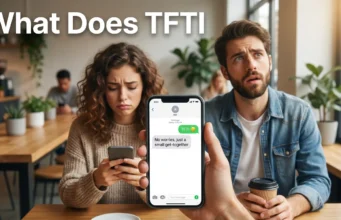

If you searched no you respond after someone sent “no u,” you probably want two things: what the phrase means and what to say next. “No u” is usually a deliberately childish way to throw someone’s comment back at them, whether the original message was an insult, joke, tease, or compliment. Your best reply depends less on the words and more on whether the conversation feels playful, flirty, competitive, or hostile.
Quick answer: If someone says “no u” or “no you,” they’re usually flipping your comment back at you as a joke, taunt, or deliberately childish comeback. Match the tone: joke with “UNO reverse,” tease with “double reverse,” answer calmly with “fair enough,” or stop replying if the exchange starts becoming mean.
| Quick question | Answer |
|---|---|
| What does “no u” mean? | “No, you.” It throws the previous statement back at the sender. |
| Is it serious? | Usually not, although context can make it rude. |
| Where is it common? | Texts, memes, gaming chats, comments, and DMs. |
| What is a funny response? | “Double reverse,” “Nice try,” or an UNO Reverse reference. |
| Can it be flirty? | Yes, especially when it follows a compliment or playful tease. |
| Should you always reply? | No. Ignoring it is reasonable when the exchange becomes irritating or hostile. |
Key Takeaways
- “No u” usually means “No, you” and reflects the previous comment to the sender.
- The phrase works because it is intentionally simple and childish rather than logically persuasive.
- Funny replies work best when both people are clearly joking.
- A compliment followed by “no u” can be affectionate or mildly flirty.
- You don’t have to keep a repetitive or hostile back-and-forth.
- In work or formal communication, skip meme replies and answer the underlying point instead.
What Does “No You Respond” Mean Online?

People usually mean “no u,” internet shorthand for “no, you.” It takes whatever was said and points it back at the first person, much like the childhood response “I know you are, but what am I?” Macquarie University’s discussion of youth language describes “no u” in almost exactly that role. At the same time, Know Your Meme characterizes it as a sarcastic response that redirects a poster’s comment toward them.
That means the message shifts slightly depending on the conversation. If a friend writes, “You’re ridiculous,” replying “no u” is usually a joke rather than a serious defense. If someone writes, “You’re cute,” the same response can turn into playful compliment ping-pong.
Context also matters in gaming and social platforms, where short taunts are common. A Roblox slang guide describes “no you/no u” as an older meme used to joke with or taunt another player, which shows why the expression can sound playful in one chat and annoying in another.
Why “No U” Became an Internet Meme
The joke is built on refusing to make a sophisticated argument. Instead of explaining why an accusation is wrong, the sender returns it in two tiny words. That intentional lack of effort is the punchline, especially when the original comment was exaggerated or unserious.
Know Your Meme traces the expression’s online history to arguments on the SomethingOrSomethingForums, where repetitive exchanges and insults made the childish reversal a useful sarcastic response. Other slang references also link it to early forum culture, although proving its first-ever use is difficult.
The idea later became closely associated with the UNO Reverse Card because both do the same thing conceptually: send something the other direction. That connection made an already short text response easy to turn into images, reaction posts, and gaming jokes. Digital culture references now commonly describe the reverse-card image as a visual extension of the same joke.
If internet shorthand keeps tripping you up, Newslibe’s FAFO slang explainer covers another expression that often appears in jokes, arguments, and comment sections. Its “oi oi oi baka” explainer also looks at how online communities borrow and reshape short expressions.
35 Ways to Respond to “No U”
No single comeback is correct because “no u” can mean several things, depending on the relationship and tone. A close friend may expect you to continue the joke, while a stranger may be trying to provoke you. Pick a reply that moves the conversation where you want it to go.
Funny replies
- “Double reverse.”
- “Counterspell accepted.”
- “Nice try. I brought two reverse cards.”
- “We could do this all day.”
- “Uno reverse has entered the chat.”
Clever comebacks
- “Compelling argument. Truly.”
- “Your evidence is overwhelming.”
- “That sounded stronger in your head.”
- “I see we’ve reached peak debate.”
- “I’ll file that under ‘excellent rebuttals.’”
Playful replies for friends
- “No, us.”
- “Too late, I called it first.”
- “Fine, we’re both guilty.”
- “You know what? Fair.”
- “I refuse to lose this mature discussion.”
Flirty responses
- “So we agree I’m cute?”
- “Careful, that sounded like a compliment.”
- “You’re making this suspiciously adorable.”
- “I can keep this going if you can.”
- “Fine, but you started flirting first.”
Gaming and group-chat replies
- “Skill issue.”
- “Respawn and try again.”
- “Plot armor says otherwise.”
- “Chat, did that comeback work?”
- “Achievement unlocked: argument reversed.”
Calm responses when you do not want an argument
- “Fair enough.”
- “Okay, moving on.”
- “I think we’ve exhausted this one.”
- “You can have that round.”
- “Let’s talk about something else.”
Replies when the joke has stopped being funny
- “I’m not interested in trading insults.”
- “If you have a point, say it directly.”
- “I’m happy to talk without the personal shots.”
- “This conversation isn’t going anywhere.”
- “I’m going to leave it here.”
How to Choose the Right “No U” Reply
Start by asking what happened immediately before the message. If the other person answered a harmless tease, you can safely keep the joke alive with another ridiculous comeback. If the exchange followed a genuine disagreement, another meme response may make it harder to resolve the issue.
Your relationship gives you a second clue. Close friends often share enough context to know when a mock insult is affectionate, while strangers do not have that history. A response that sounds hilarious in a private group chat can therefore sound dismissive in a serious comment thread.
Finally, decide whether you want to keep the exchange going. You are not required to win every tiny online contest, and silence can end a repetitive “no u” loop faster than another comeback. If you would rather keep talking, changing the subject with a normal question often works better than finding an even sharper line.
Is “No U” Rude, Friendly, or Flirty?
On its own, “no u” does not tell you enough to identify the sender’s intent. The same three characters can communicate affection between friends, mock competitiveness during a game, or irritation during an argument. Emojis, previous messages, your relationship, and the original comment provide the missing information.
A compliment is a useful example. If you tell someone “you’re adorable” and they answer “no u,” they are usually returning the compliment rather than rejecting it. A Reddit discussion about this exact pattern includes people describing “no u” as a playful response to compliments, illustrating how easily the phrase can shift from insult reversal to affection.
The tone changes when the original statement is serious. If someone raises a genuine concern and gets nothing but “no u,” the reply can feel dismissive because it avoids the issue instead of addressing it. In that situation, asking for a direct answer is usually more productive than continuing the meme.
When You Should Stop the “No U” Loop
Back-and-forth repetition is part of the joke, but it has a short shelf life. Several rounds can be funny between friends because neither person is pretending to make a serious point. Once one person becomes frustrated, the same repetition turns from playful to irritating.
Watch for a change in message length or tone. If the other person starts explaining themselves seriously, tells you to stop, or begins making personal attacks, move away from the joke. A simple “Okay, let’s reset” can prevent a harmless exchange from becoming an unnecessary argument.
You can also end the conversation without announcing a winner. You can not respond, react with an emoji, or introduce a new topic if there is still something to discuss. Online conversations do not require a final comeback to be complete.
Why “No U” Usually Does Not Belong in Professional Messages
Meme language depends heavily on shared context, so it carries more risk at work. A coworker, client, customer, or manager may read a sarcastic reversal as dismissive rather than playful, especially when a problem needs an answer. Clear wording is safer when the stakes include deadlines, complaints, money, or someone’s professional reputation.
If you manage public-facing accounts, respond to the substance instead of trying to win the comment exchange. A short factual acknowledgement can reduce confusion, while a sarcastic comeback can become the screenshot that circulates without its original context. Newslibe’s public-relations response guide explains why public responses need different judgment from private jokes.
You can still sound human without turning every message into corporate language. “Thanks for flagging this,” “Here’s what happened,” or “Let me clarify” keeps the exchange direct while leaving room for personality. Save “no u” for people who already understand the joke.
The Bottom Line
“No u” works because everyone recognizes how deliberately unserious it is. Match playful energy when the exchange is friendly, switch to plain language when something feels off, and leave the conversation when the joke becomes hostile. For more explanations of unfamiliar phrases and online culture, browse Newslibe’s latest guides and explainers.
Frequently Asked Questions
What does no u mean in a text?
It usually points to the internet expression “no u,” meaning “no, you.” The sender is throwing your previous comment back at you rather than providing a detailed answer. In friendly conversations, it is often meant as a joke or playful taunt.
Is “no u” an insult?
It can follow an insult, but the phrase itself is usually a reversal rather than a new insult. Friends may use it while teasing each other without serious hostility. Context matters more than the three characters alone.
What should I say after someone says “no u”?
For a funny exchange, try “double reverse,” “no us,” or an UNO Reverse joke. For a calmer reply, “fair enough” or “okay, moving on” works without creating more friction. If the other person is being hostile, you can stop responding entirely.
Is “no u” the same as an UNO Reverse Carare literally
They are literally the same expression, but internet culture often connects them because both resend something to the other person. “No u” does that with words, while the reverse-card meme expresses the idea visually. That similarity is why the two jokes frequently appear together online.
Can “no u” be flirty?
Yes, particularly when it follows a compliment such as “you’re cute.” Returning the phrase can mean “no, you’re the cute one,” turning it into playful affection rather than disagreement. Look at the surrounding messages before assuming that every use is flirtatious.